With just a few moments to spare, 2023 is (nearly) in the rearview mirror. There was no shortage of stories which will capture historians’ attention. The Titan submersible implosion and Damar Hamlin’s injury on the football field shocked us into attention. Wildfires in Maui and the Hamas terror attacks of October 7th will be some of the year’s greater bookmarks. The major news of the year, of course, centered on people and events far more famous than you and I.
And yet, there is no reason to stop doing one of the things which God has placed on my heart- reading good books and discussing them with others. 2023 was my second most productive year since 2017, at least from the perspective of titles read. By the end of the year, I will have read 56 books, totaling 19099 pages. Of course, several other books were partially read, but I cannot in good conscience call a book “read” until the final page has been turned and that oh-so-satisfying close of the back cover.
With that said, here are the 10 best books I encountered over the course of the year:
- Peter J. Gentry & Stephen J. Wellum, Kingdom Through Covenant, 2nd Edition, 2018. I am a Christian because of the grace of God. I am a baptist because of the Word of God. Although many other works have been helpful in my eventual conviction to the credobaptist framework, Kingdom Through Covenant is the most comprehensive and forceful argument. Focusing on the metanarrative of Scripture through a covenantal lens, Gentry and Wellum paint a picture of a God who is worthy of praise because of the relationships he has established with man throughout history. The book is not for the faint of heart, coming in at well over 800 pages, but everything about the book (binding, paper quality, and content itself) will reward the faithful reader. A must have for serious students of biblical covenants.

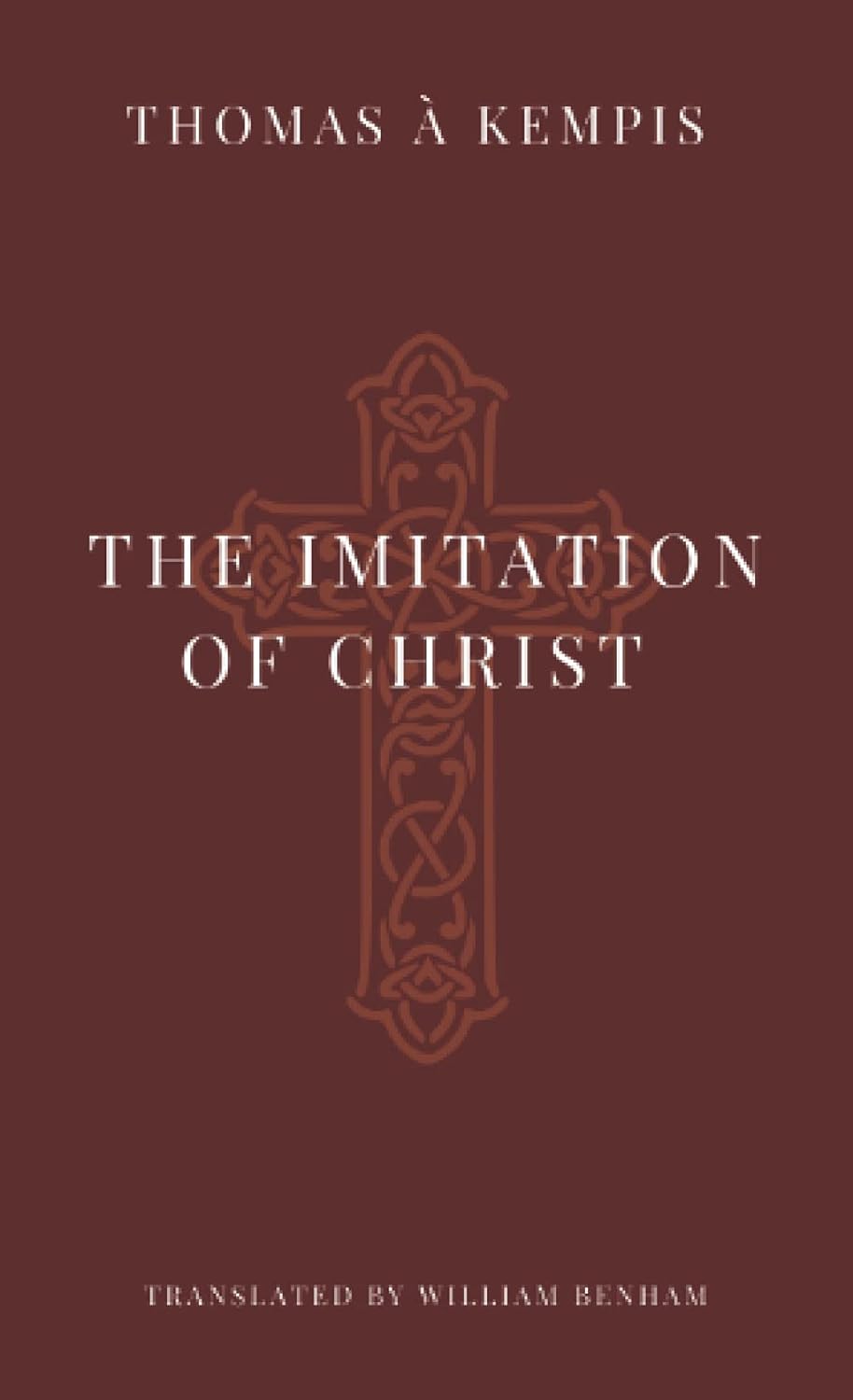
- Thomas á Kempis, The Imitation of Christ, 1471. When I was assigned this book in seminary, my professor called it the greatest piece of devotional literature outside of Scripture itself. I thought that to be a little aggrandizing, but it turns out he was right. I have yet to encounter a book which combines constant allusions to biblical passages with deep Puritan devotion. If you ever struggle with putting together words which seem appropriate in the presence of God, many of the short chapters in this book serve as a springboard into some of the strongest prayers you have ever experienced.
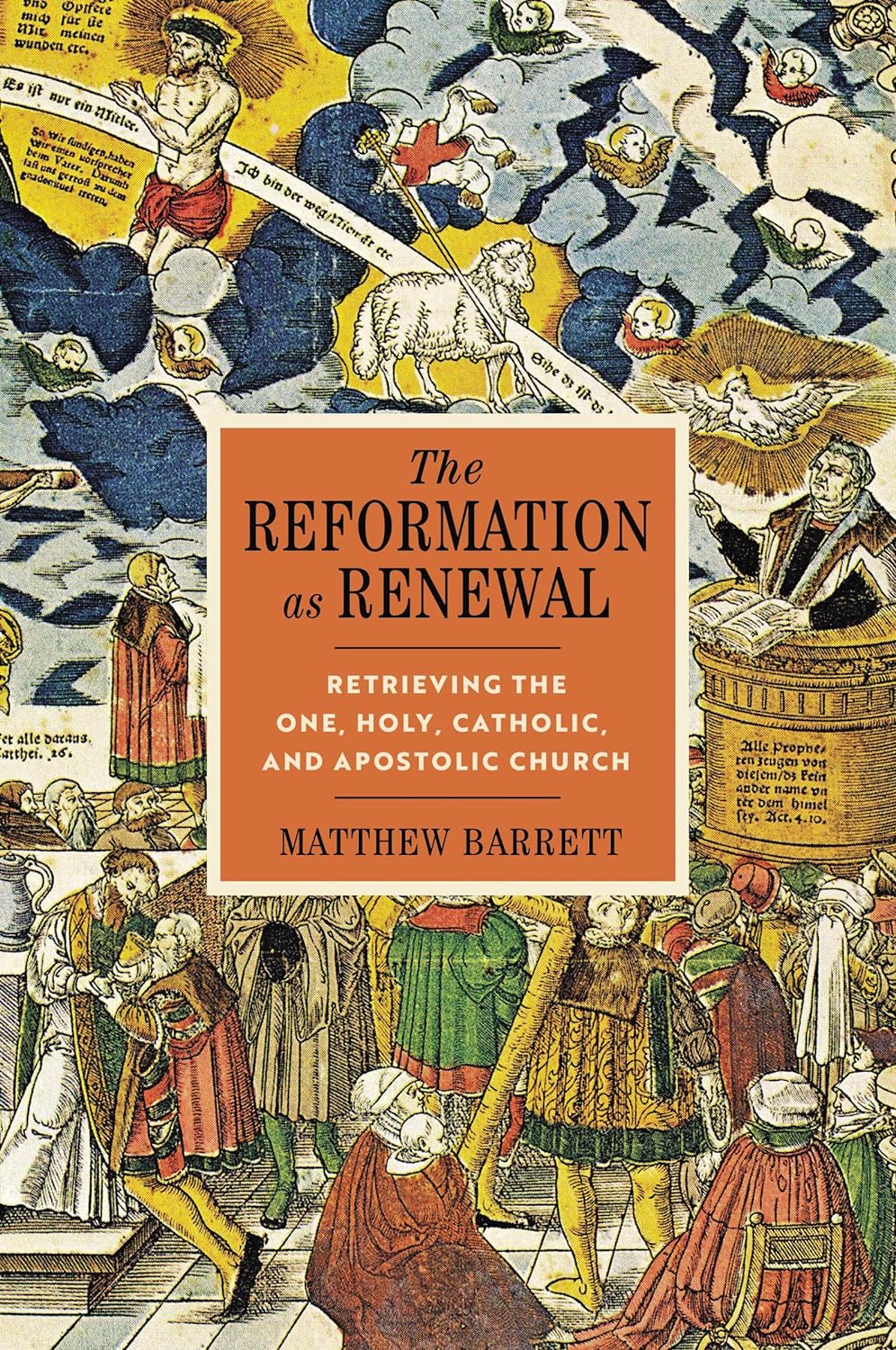
- Matthew A. Barrett, The Reformation as Renewal, 2023. I recently reviewed The Reformation as Renewal HERE, but it bears repeating: this is one of the best takes on the Protestant Reformation I have ever encountered. Too often, modern readers put their own interpretation of the events, pitting the Reformers as devoted to the destruction of all religious tradition with nothing but the Scriptures as their guide. Dr. Barrett of Midwestern Baptist Theological Seminary offers nuance to this discussion, showing that the initial goal of Luther, Calvin, and so many others was to save the church from herself, rather than destroy and begin a new one altogether.
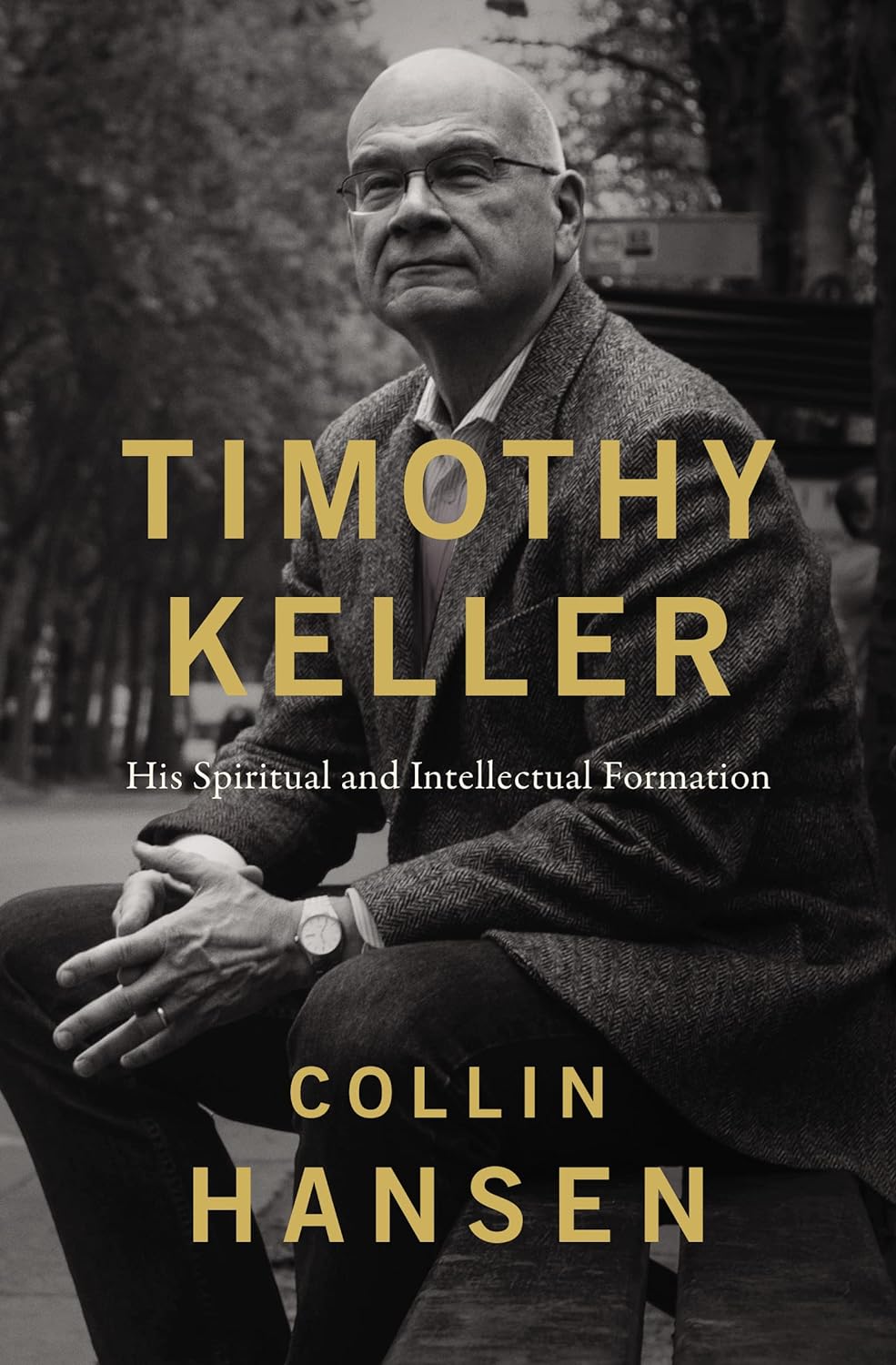
- Collin Hansen, Timothy Keller: His Intellectual and Spiritual Formation, 2023. Tim Keller died on May 20th of this year, and I feel safe in saying that his stature will only grow over the years. In a vein similar to Billy Graham, Walter Rauschenbusch, and Jonathan Edwards, you simply cannot tell the story of Christianity in America today without discussing the effect Keller has had. Collin Hansen served as a close associate of Keller at The Gospel Coalition for many years, so his biography can hardly be called objective. And yet, he offers a compelling narrative which covers the influences upon the spiritual and educational journey which culminated in him being one of the preeminent Christian thinkers of our day.
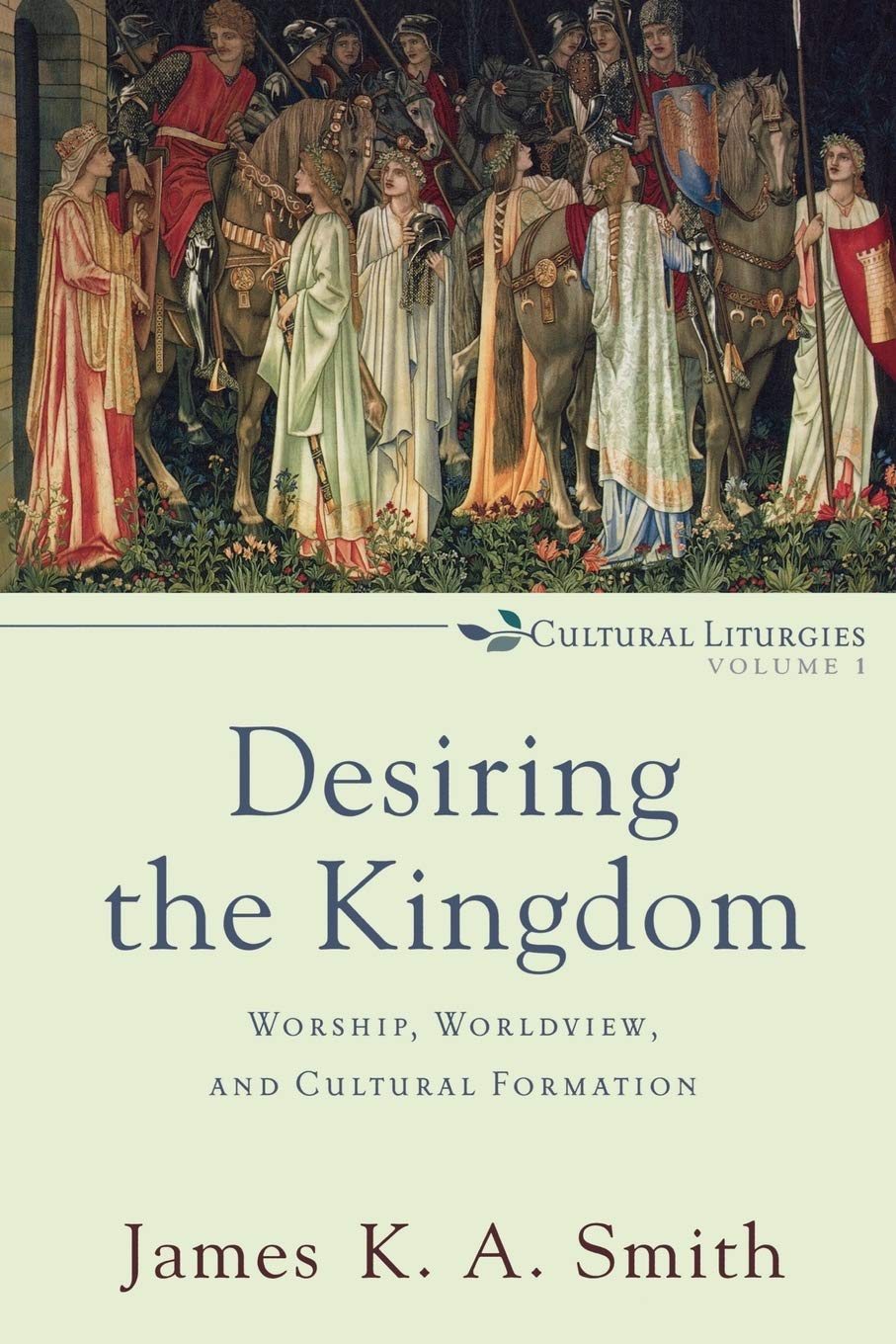
- James K.A. Smith, Desiring the Kingdom: Worship, Worldview, and Cultural Formation, 2009. Dr. Smith serves as a professor of philosophy at Calvin University, and he likely has written one of your pastor’s favorite books. Desiring the Kingdom serves as one part of a three part cultural liturgy series centered on the kingship and kingdom of Jesus. The first section follows his consistent principle- that people are defined by what they love before anything else. After that, Smith looks at what the practice of Christian love might look like, especially in the realm of education. Christian parents increasingly have to answer questions regarding their children’s education that their parents really did not consider. Smith’s work, while no light introductory piece, is incredibly helpful in developing those answers.
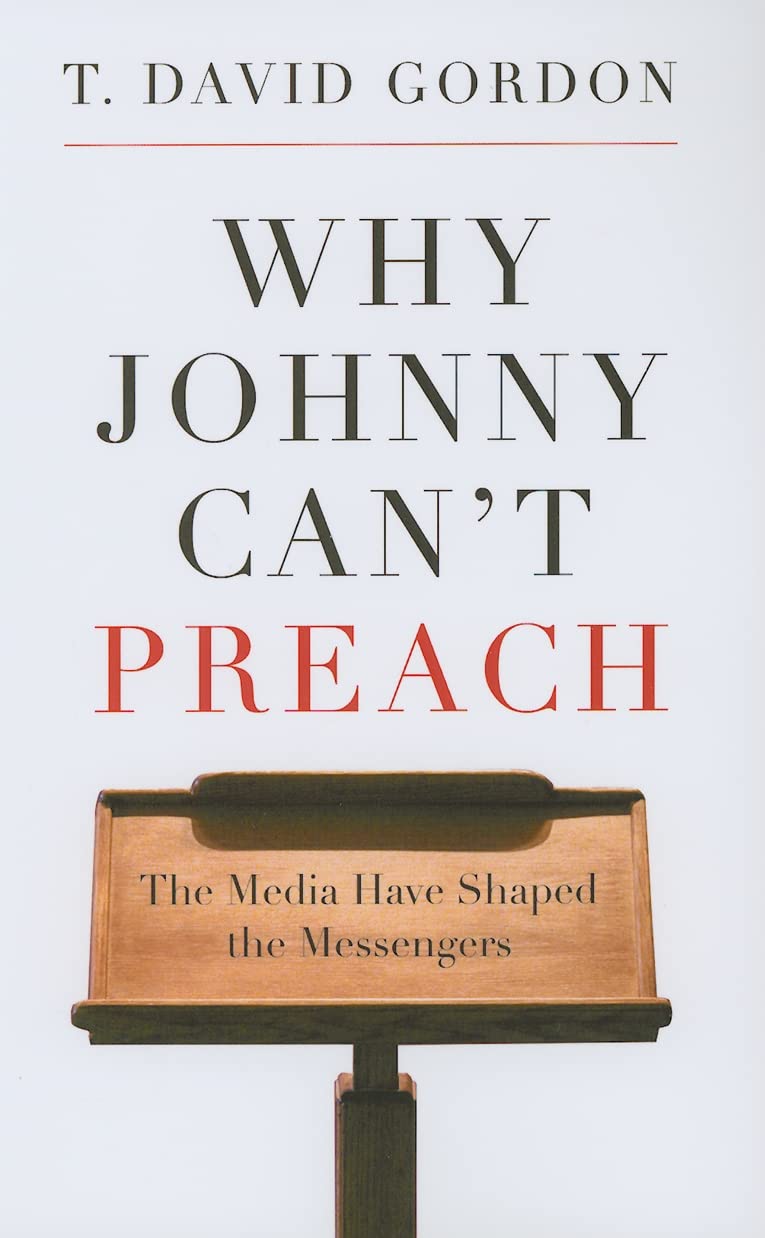
- T. David Gordon, Why Johnny Can’t Preach, 1994. One of these days, I will explore more of Neil Postman’s Amusing Ourselves to Death, one of the most influential books I’ve ever read. Until then, it must be enough for me to say that Postman and Gordon were on the same page- namely, the medium of a message is the message itself. Pastors and church leaders cannot communicate with their congregations the way they once did simply because they can no longer communicate in an effective manner. Anyone who wishes to preach, hear good preaching, or simply look for characteristics of healthy church leadership would be wise to pick up this little book and read.
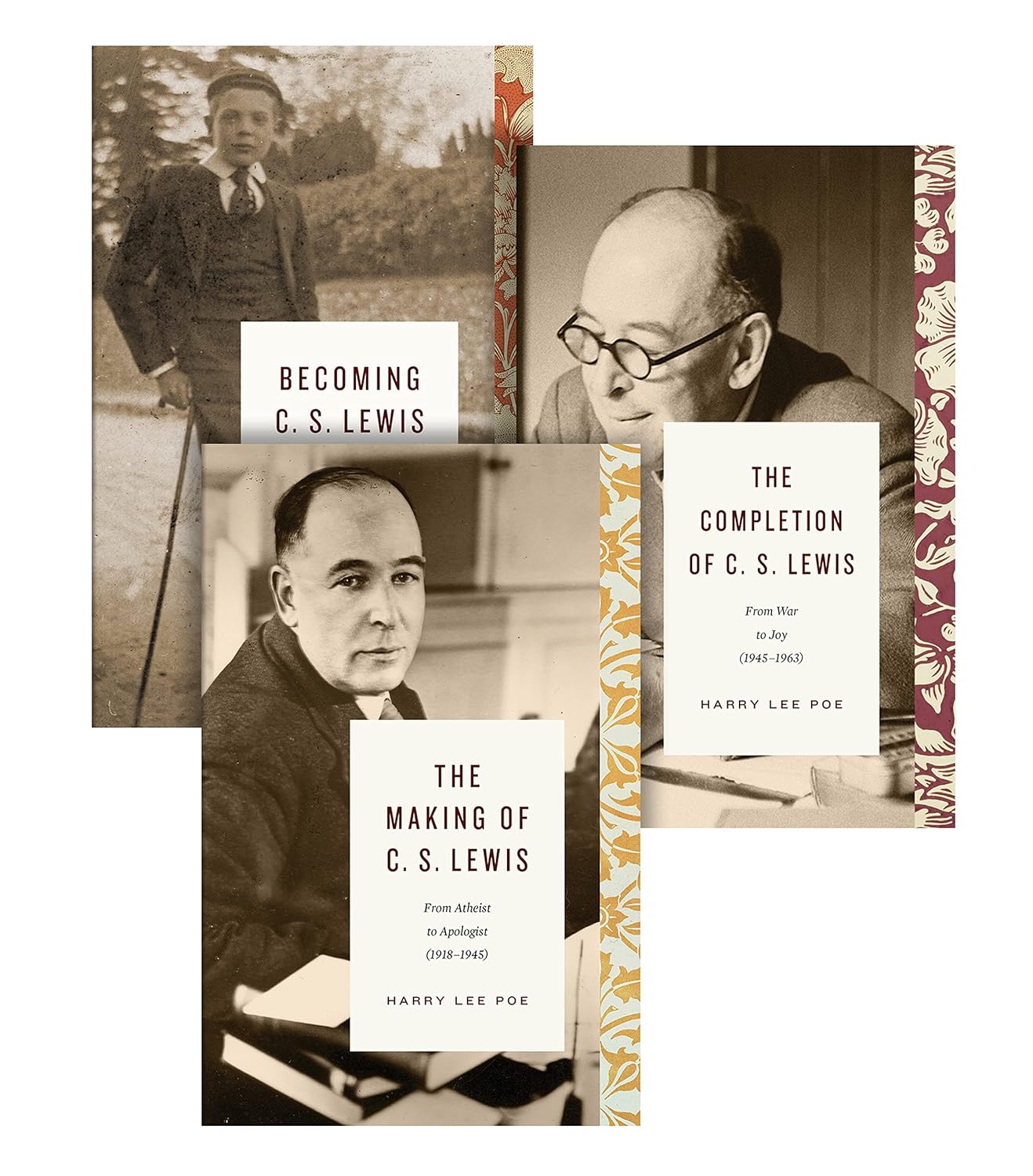
- Harry Lee Poe, Becoming C.S. Lewis (3-Volume Set), 2022. Whenever publishers release something they are excited about, you can tell. At a recent ETS convention, this three-volume set was one of the highlights at the Crossway booth. That was for good reason- everything about this series is excellent. Poe is a leading scholar on Lewis, and that shows throughout his biography. One leaves the work feeling as if they spent the past several hundred pages as a quiet observer in the highlights of his life, as well as the humdrum of instructing students throughout his professional life.
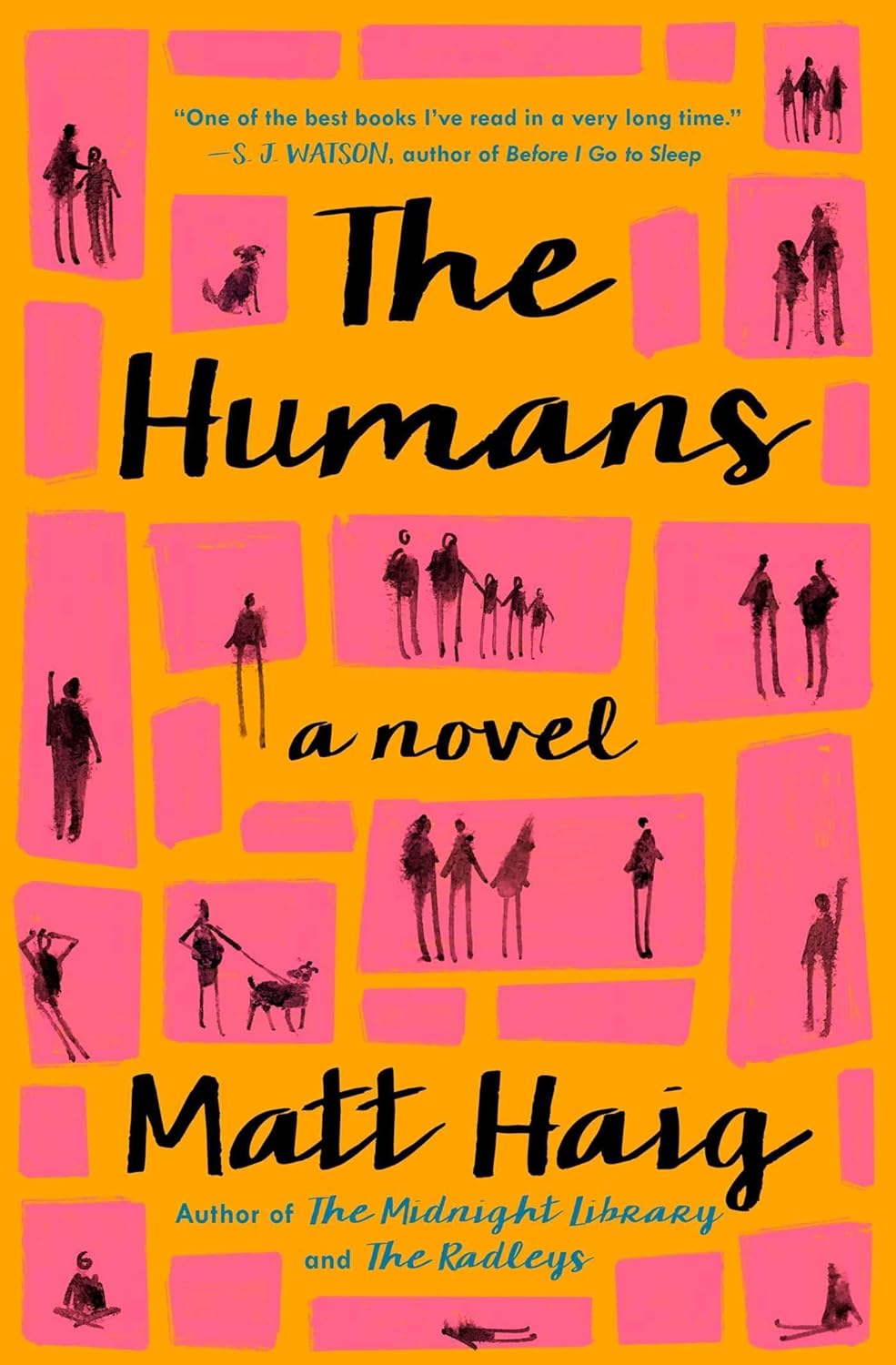
- Matt Haig, The Humans, 2013. Sometimes a random trip to the bookstore yields a pleasant surprise. One day earlier this year, I came across a couple of Matt Haig’s books, this one and The Midnight Library. I decided to read it when I was finishing the last of my seminary textbooks- a little mental break in the midst of treatises and pastoral resources. The story centers around an alien who is pretending to be a human, all while learning aspects of our lives which most of us take for granted. Although Haig is an avowed atheist, his work is haunted by several questions which can only be fully answered by faith: What is a human being? How is love best structured? Do relationships matter? All part of the discussion surrounding this entertaining read.
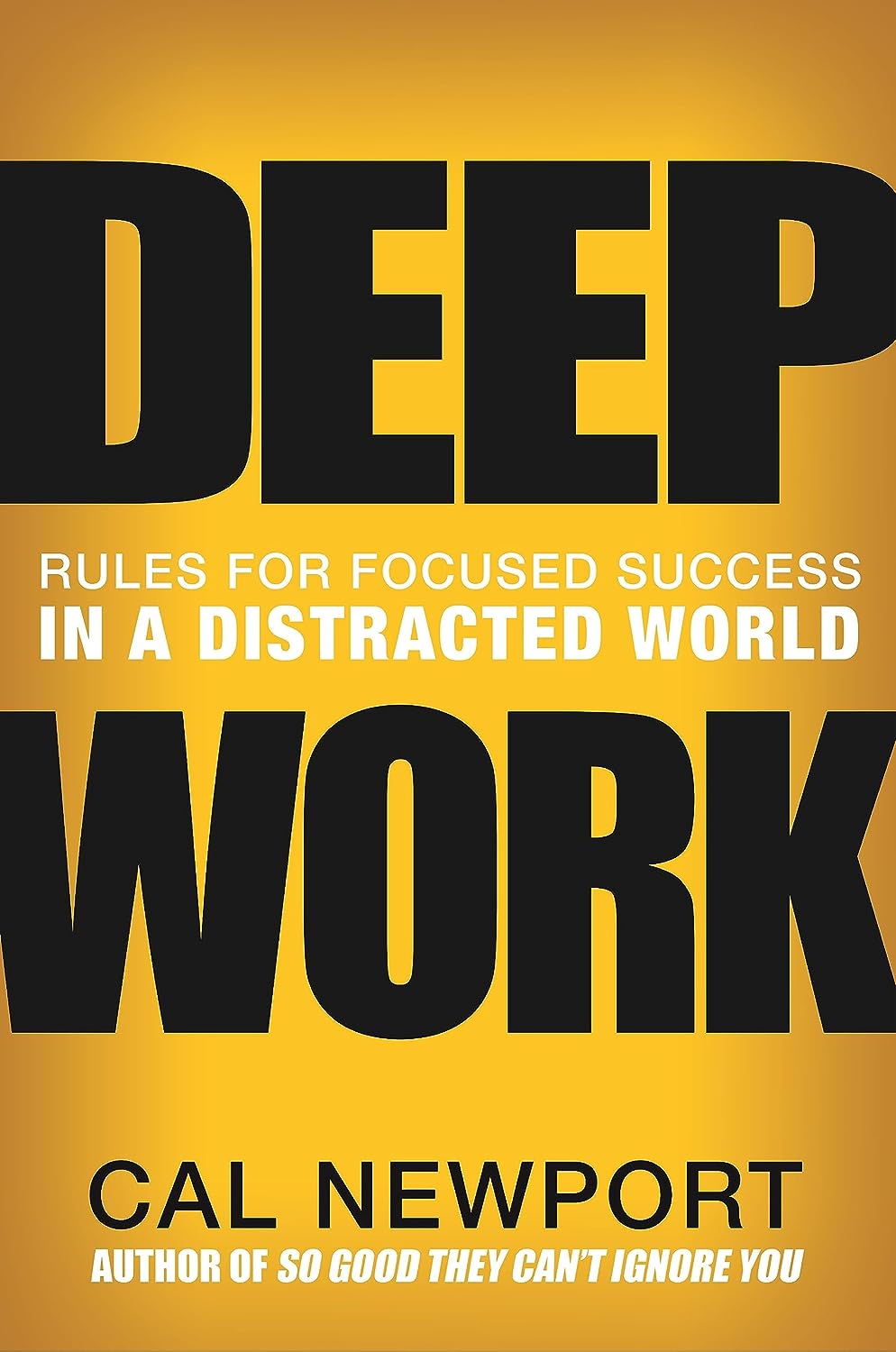
- Cal Newport, Deep Work: Rules for Focused Success in a Distracted World, 2016. Qoholeth once said “of making many books there is no end” (Ecclesiastes 12:12). I’m pretty sure he could have just mentioned productivity books and the statement would still be true. That said, Newport offers a simple idea and defends it well- there is no replacement for periods of sustained focus and work, running counter to our culture’s constant desire for interactive consumption. If you want to stick out in your field, there are several points of application in Deep Work which make reading the book worthy.
- David Martyn Lloyd-Jones, Preaching and Preachers, 1971. A staple in the world of Reformed preaching. I will always recommend Chapell’s Christ-Centered Preaching as an introduction to the art/science that is expository preaching. However, Lloyd-Jones offers a conversational lecture which covers more of the broad concept of preaching. He answers the question of what exactly happens in a sermon, and how modern preachers can faithfully navigate the process of delivering text to congregation. It’s a classic for a reason!

As always, I’m excited to see what 2024 brings in the wonderful world of reading. More on that soon enough!

 These Things
Leave a comment