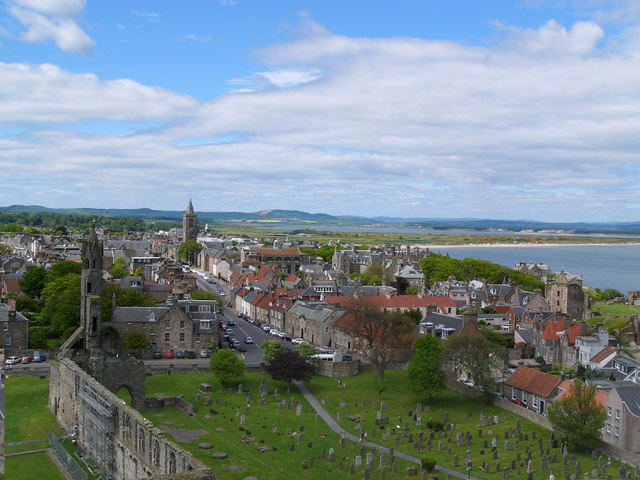
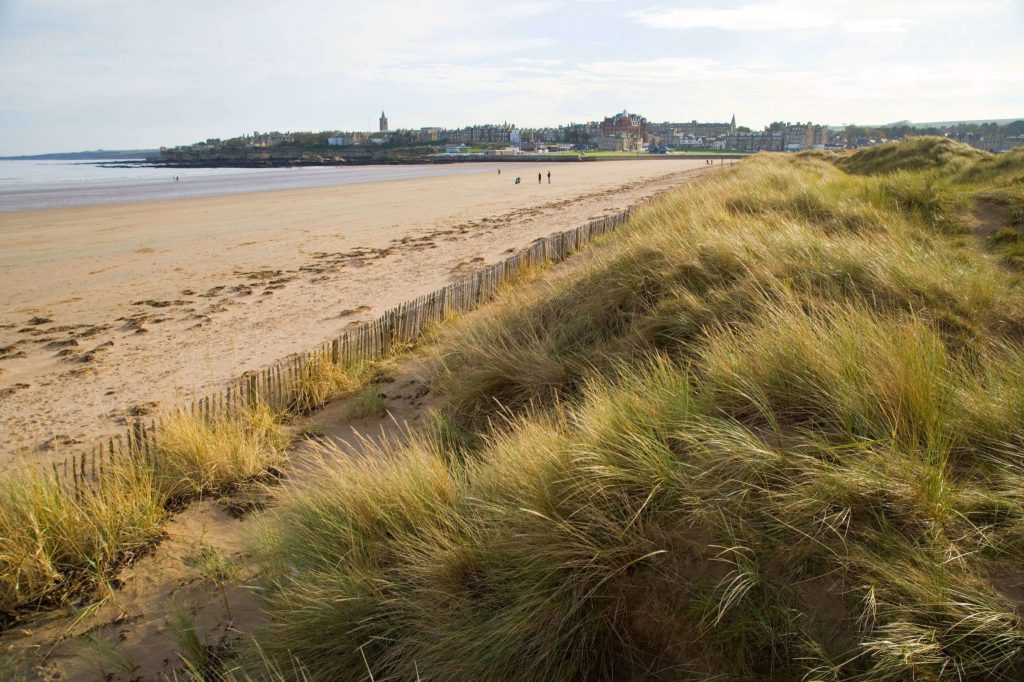
A Little Place on the North Sea
Introduction
If you are taking the time to read this post, then you likely already know. But if not, allow me to dispel any further delay- our family is moving from Central Texas to St Andrews, Scotland. I was recently accepted to the University of St Andrews’ modern history program, where I will complete a PhD on Christian communicators and mass media. The Turner family is taking a massive step out of our comfort zone, and we could not be more thrilled!
Research
This move is centered around a thesis of around 80,000 words, supervised by one or two instructors at the university and defended at a Viva. My ThM thesis, supervised by one of the Baptist seminaries’ eminent historians, came in at around 18,000 words with 75 unique sources. I believe it is overwhelmingly likely that this project will come in at 300-500 sources. Building a bibliographic base of knowledge before drafting individual chapters. I want to keep anyone reading this aware of books, articles, lectures, or other media that help me build that base, key facts those sources provide, and perhaps a moment of commentary. Please feel free to offer your own input!
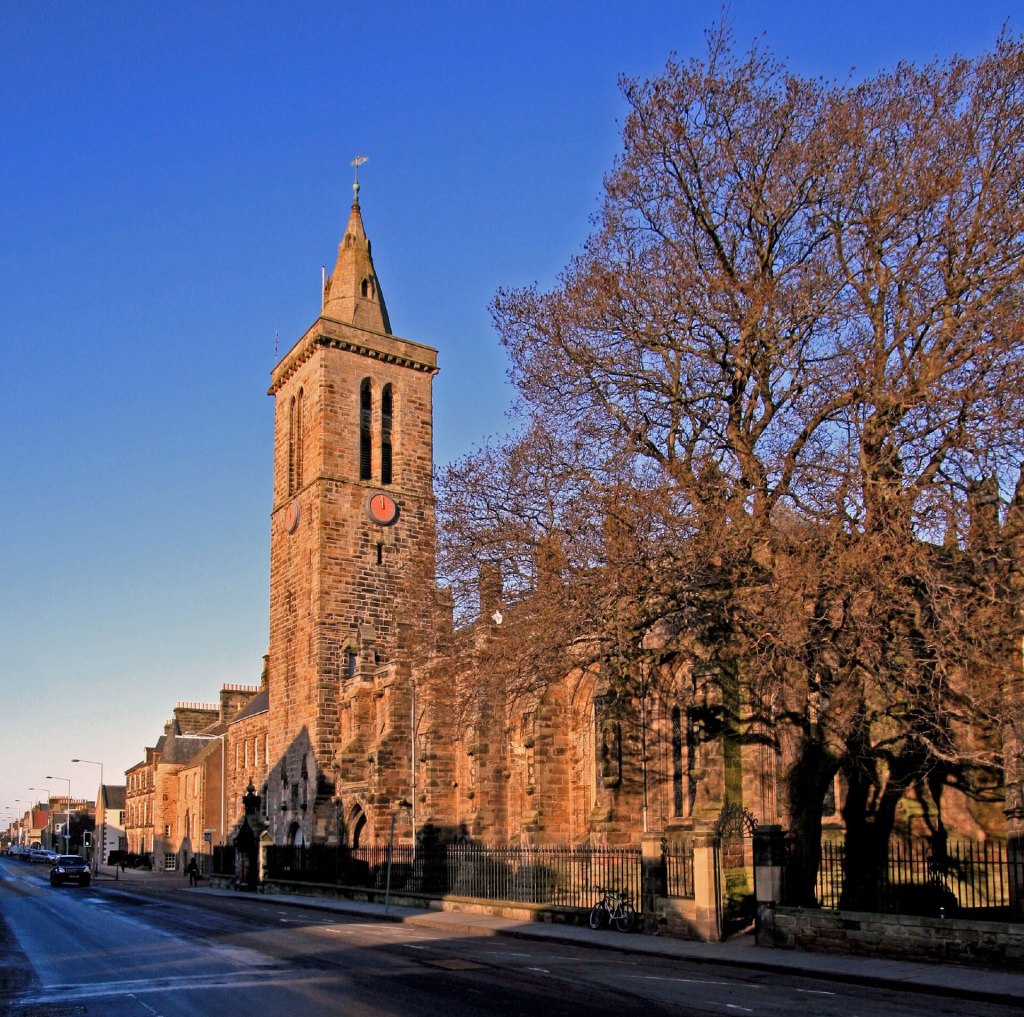
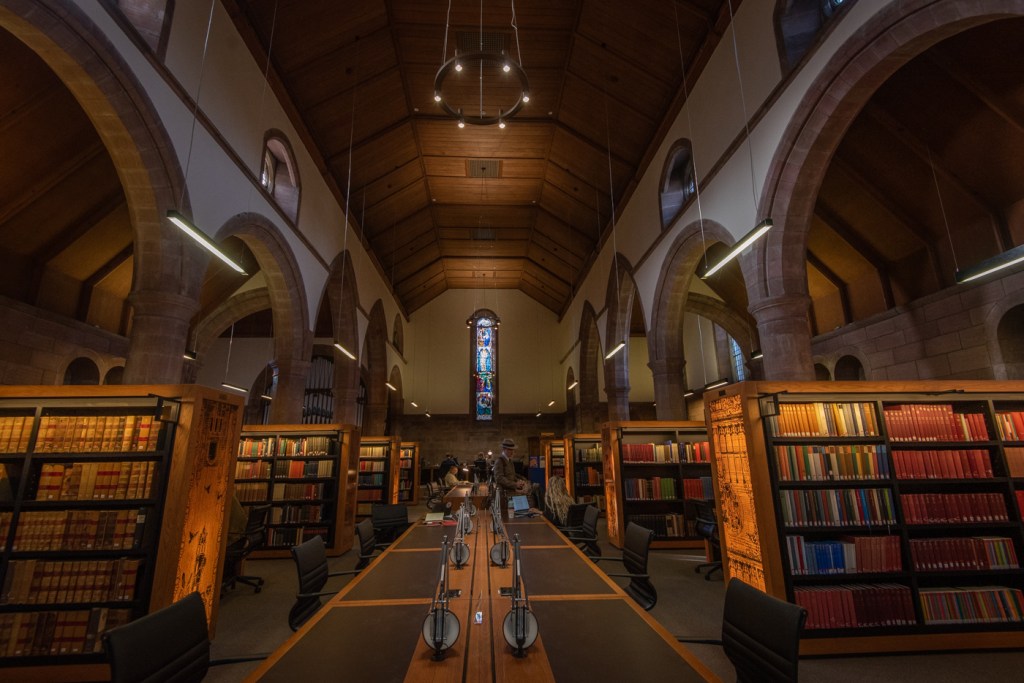
One of the main attractions of the university is its age. Established in 1413, it is the oldest university in Scotland and the third-oldest in the United Kingdom. For over six centuries students and teachers have engaged in the struggle of knowledge and pursuit of truth, and as an optimistic institutionalist, I believe that being part of something with such a storied tradition is worth the ambitious move required to attend.

This is not a wish to embrace something just because it is old, but before rejecting a university with a track record six centuries long, we must find a pressing reason. I found none, and to my great joy, the book history group at the university offered to supervise my project.
Reading
It is no surprise that I plan on continuing a reading plan and getting my percentage of personal library books read back over 70%. Such a goal will require an intensive effort of time and money, mainly through shipping items back and forth between the U.S. and U.K. That said, I hope to expand reading, both for myself and our family, through fiction and non-doctoral studies nonfiction alike. I want our kids to read great literature in a similar environment to that in which many of the authors wrote. I want them to find places very close to Narnia or Middle Earth, because Lewis and Tolkien worked just a few hours down the road. I want them to see the great cities of London and France, overwhelming in their modernism, but also to mirror the Two Cities of Dickensian lore or of Hugo’s revolutionary fervor.
I hope that through our time in Scotland we become a more literate family by being a more literary family.
Real Life
This is a big move. We cannot claim ignorance on the effect such a transplant might have on each of our children. For instance, our oldest two had spent the previous four years in the same school, thriving both academically and socially. Does that make us cruel for removing them and placing them in an entirely new environment, over 4,000 miles away from anyone they know?
The sense of place and placement introduces a great tension for both I and Lindsey. On the one hand, I grow more convinced that while tribalism is to be eschewed a sense of place is a good thing. It is good to know the roads of a town, the location of its schools, and the neighborhoods. Children benefit from such stability, and a constant reset of location makes a sense of familiarity nearly impossible to achieve.
On the other hand, it is good to know and see the world and learn that our entire life can only emplace us in a small fraction of its territory. The world is bigger than our hometowns, and leaving them for a while can show us that. We want to live in another part of the world for a while so that it can help us to have a larger perspective on life, church, family, and other things. And if it only serves to make us long for home, either in Texas or somewhere else, then we will be thankful for that assurance and cementing to a certain location for the foreseeable future.
That said, some of the basic questions which have risen over the past several months, all of which require some problem solving, include:
- How can we continue taking French lessons?
- How can the children (and their dad, if possible) continue learning to play the piano?
- Do we need a car? How expensive are they? Are licenses difficult to get in Scotland? Is learning to drive on the opposite side of the road dangerous or terrifying?
- How will I continue service in the Army Reserve?
- What do job opportunities look like once we train our eyes on returning to the United States?
- Is our beloved dog going with us?
Conclusion
If I’m being honest, I’m not sure this is the right thing. I think it is, but I don’t have any sort of certainty that this time in Scotland will result in a more prestigious job or a sterling academic career. Also, I’m not even sure that’s what I or Lindsey or the kids want. But we want to step out on an adventurous journey, partly so that we can show to ourselves and our kids that we can still do hard things. It is okay to leave the comfort and routine and ordinary for something unknown, because there might exist something extraordinary we would have otherwise never known. To that end, we are off in the next week or so (depending upon the UKVI’s visa approval) for this great adventure!


Leave a comment