Introduction You will find in Plato’s Phaedrus a story about Thamus, the king of a great city of Upper Egypt. For people such as ourselves, who are inclined (in Thoreau’s phrase) to be tools of our tools, few legends are more instructive than his. The story, as Socrates tells it to his friend Phaedrus, unfolds in the following way: Thamus once entertained the god Theuth, friend Phaedrus, unfolds in the following way: Thamus once entertained the god Theuth,who was the inventor of many things, including number, calculation, geometry, astronomy, and writing. Theuth exhibited his inventions to King Thamus, claiming that they should be made widely known and available to Egyptians. Socrates continues: Thamus inquired into the use of each of them, and as Theuth went through them expressed approval or disapproval, according as he judged Theuth’s claims to be well or ill founded, It would take too long to go through all that Thamus is reported to have aid for and against each of Theuth’s inventions. But when it came to writing, Theuth declared, “Here is an accomplishment, my lord the King, which will improve both the wisdom and the memory of the Egyptians. I have discovered a sure receipt for memory and wisdom.” To this, Thamus replied, “Theuth, my paragon of inventors, the discoverer of an art is not the best judge of the good or harm which will accrue to those who practice it. So it is in this; you, who are the father of writing, have out of fondness for your off-spring attributed to it quite the opposite of its real function. Those who acquire it will cease to exercise their memory and become forgetful; they will rely on writing to bring things to their remembrance by external signs instead of by their own internal resources. What you have discovered is a receipt for recollection, not for memory. And as for wisdom, your pupils will have the reputation for it without the reality: they will receive a quantity of information without proper instruction, and in consequence be thought very knowledgeable when they are for the most part quite ignorant. And because they are filled with the conceit of wisdom instead of real wisdom they will be a burden to society.”’
Neil Postman is undefeated.
Research
- First generation printers often failed: why?
- It was a capital-intensive operation that showed no profit until the entire project was completed (Pettegree, The Book in the Renaissance).
- DUTCH – Ministers took reading very seriously. If a minister did not acquire a library for continuous study, he could face a reprimand from church authorities.
- Additionally, a transcription of 55 auction catalogues of minister’s libraries (made available upon their deaths) reveals an average of 1,138 books per minister (Strickland, Teachers of Christ’s Church: Protestant Ministers as Readers of the Church Fathers in the Dutch Golden Age, 118-119).
- authority.
- Catholics also see that a flood of cheap books encouraged the wrong sorts of reader: “This is what the printing presses do: they corrupt susceptible hearts. The silly asses do not see this, and brutes rejoice in the fraudulent title of teachers, exalting themselves with a song like this (be so good as to listen): ‘O good citizen, rejoice: your city is well stuffed with books. For a small sum, men turn themselves into doctores in three years. Let thanks be rendered to the printers.’ Any uncultured person without Latin bawls these things.” (Pettegree, The Book in the Renaissance, 42-44).
- DUTCH – the Catholic government feared that the laity would be influenced by Lutheran ideas. Indeed, Eck’s publication indicated that he targeted a lay readership: ‘we have made this for simple folk, and for those who worry about many things but who have not time to read great books.’ (Quoted in Oldenhof, ‘Write against It, So That They May Return to the Right Faith, 109-113).
Reading
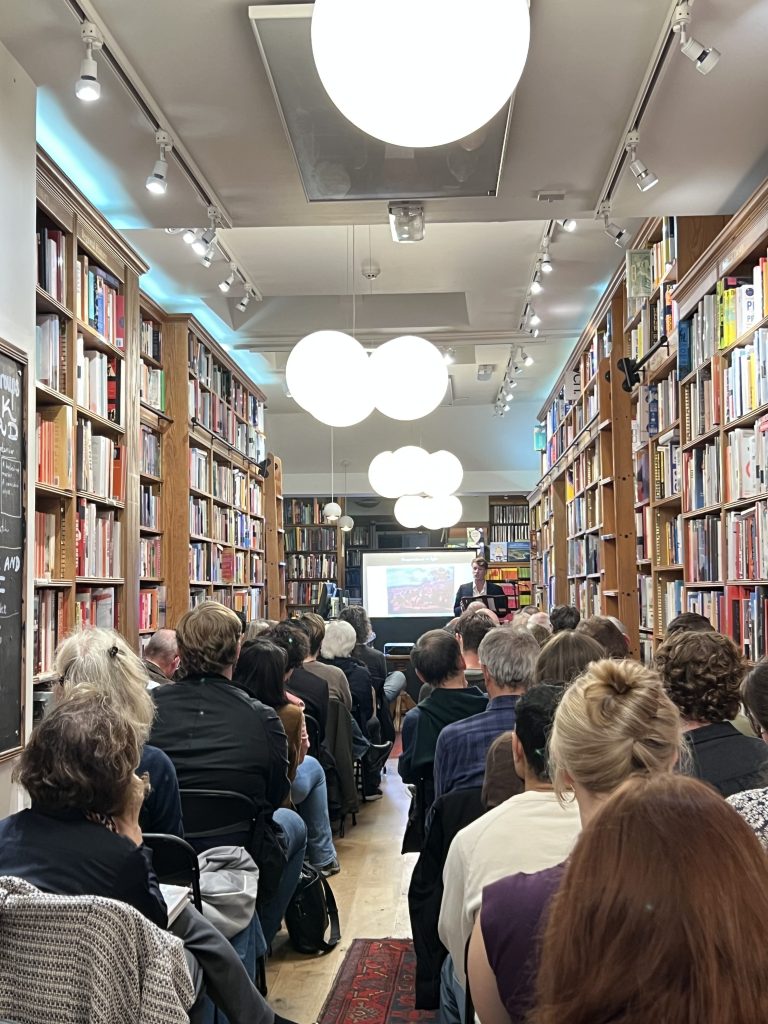
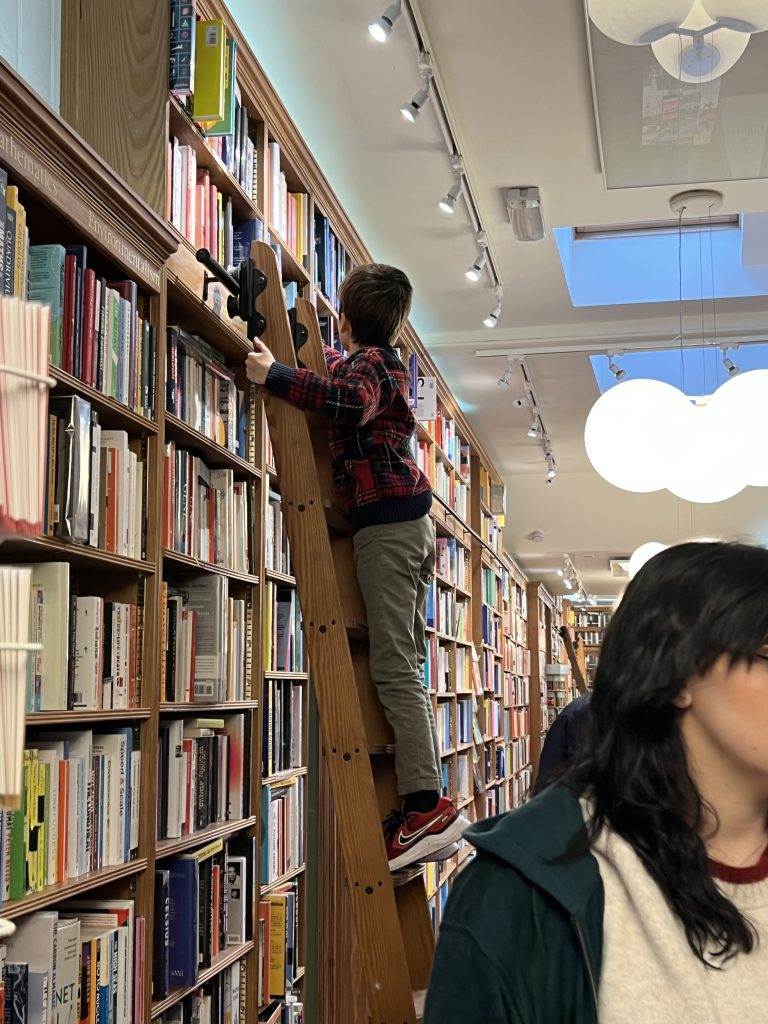
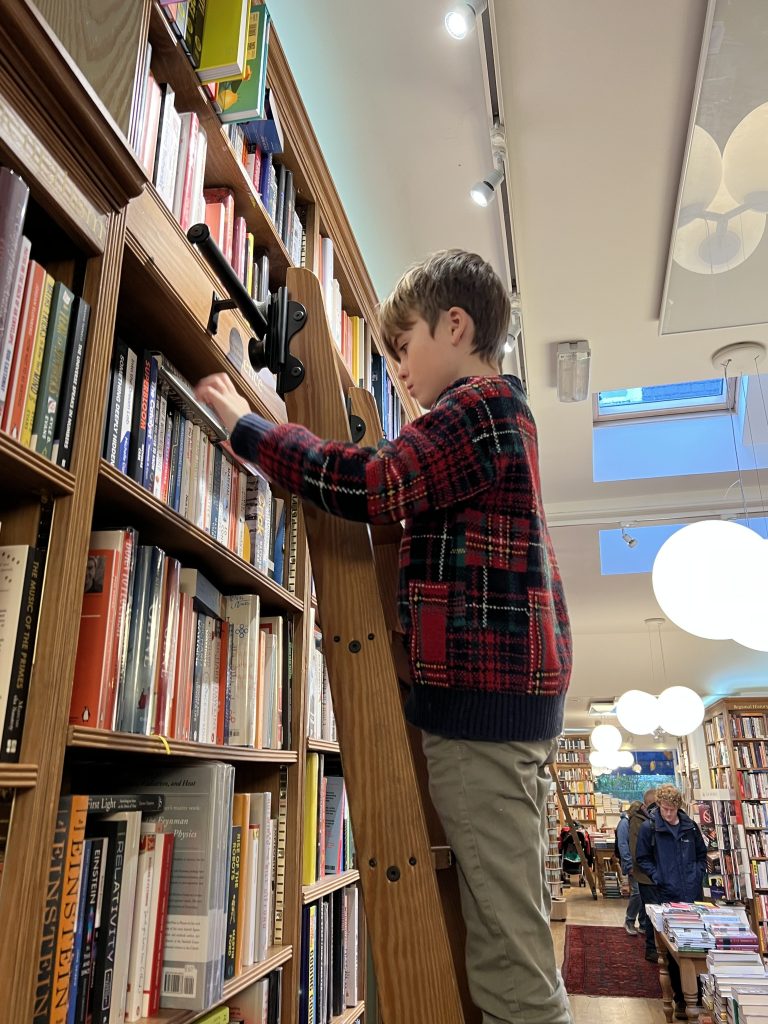
After another trip to our newly beloved Topping and Company, the kids came home with a few new books- Pippi Longstocking and two offerings from Sara Pennypacker. One other addition is something that we’re quite excited for, a beautiful illustrated edition of Tolkien’s The Hobbit (pictured below). This will in short time become our bedtime reading, and I’m excited to lead our family into the adventures of Middle Earth.
- Technopoly: The Surrender of Culture to Technology, Neil Postman (Vintage, 1993)
- More of Postman in his prime: sharp critiques of our limitless capacity for new technologies with little to no critical thought mixed in with quick wit. If you worry about whether or not our information-overloaded age is something new, or why that should even cause some unease in the first place, Technopoly is for you.
- The Book in the Renaissance, Andrew Pettegree (Yale University Press, 2011)
- Bringing to bear some of the same strands of thought which would fully mature with Brand Luther four years later, Pettegree’s book offers a full picture of Europeans bookmaking from the start of the Johann Gutenberg’s invention through the end of the seventeenth century. Perhaps one of the strongest takeaways is that printing was not an inherently ideological industry, but one in which economic concerns predominated.
- Pax, Sara Pennypacker (HarperCollins, 2019)
- A story about a boy and his fox, separated by war, and the journey they undertake to see each other again.
- (CRAIG’S REVIEW) I liked that the boy traveled THAT far to see Pax had made some friends. It was scary when the boy broke his foot. I was happy when they got back together again, but also made me sad because they did not stay together in the end. 9 out of 10.
Real Life
We finally received WiFi access, something for which we’d been anxiously waiting since arriving in Scotland over three weeks ago. The wait, as well as the disappointingly slow speeds we discovered on its arrival, made me wonder; why did it feel like WiFi access would make our flat feel more like a home? Is it easier ability to download videos? Call family and friends? Or just scroll on our newsfeeds?
My thought, nascent at this point, is that WiFi, or general phone data connectivity, makes us feel like we are “connected” to the world, and that life will therefore no longer go on without our being aware. News will be fresh, and silence will be banished. But will our minds ever have space to think, if we constantly preoccupy them with lesser gray noise? I’m not sure they will.
Conclusion
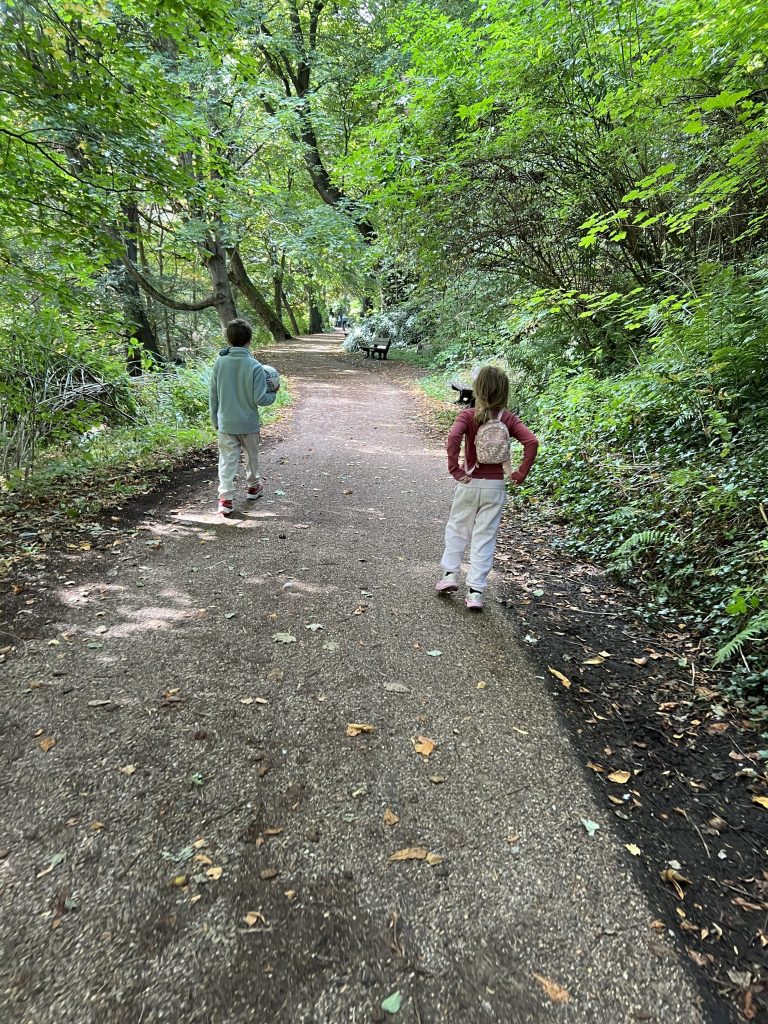
The kids had a great time playing with my advisor’s children at the lovely Cockshaugh Park, accessible via another lovely walk through Lade Braes. Walking through here makes a place like Narnia seem close.











Leave a Reply