Introduction
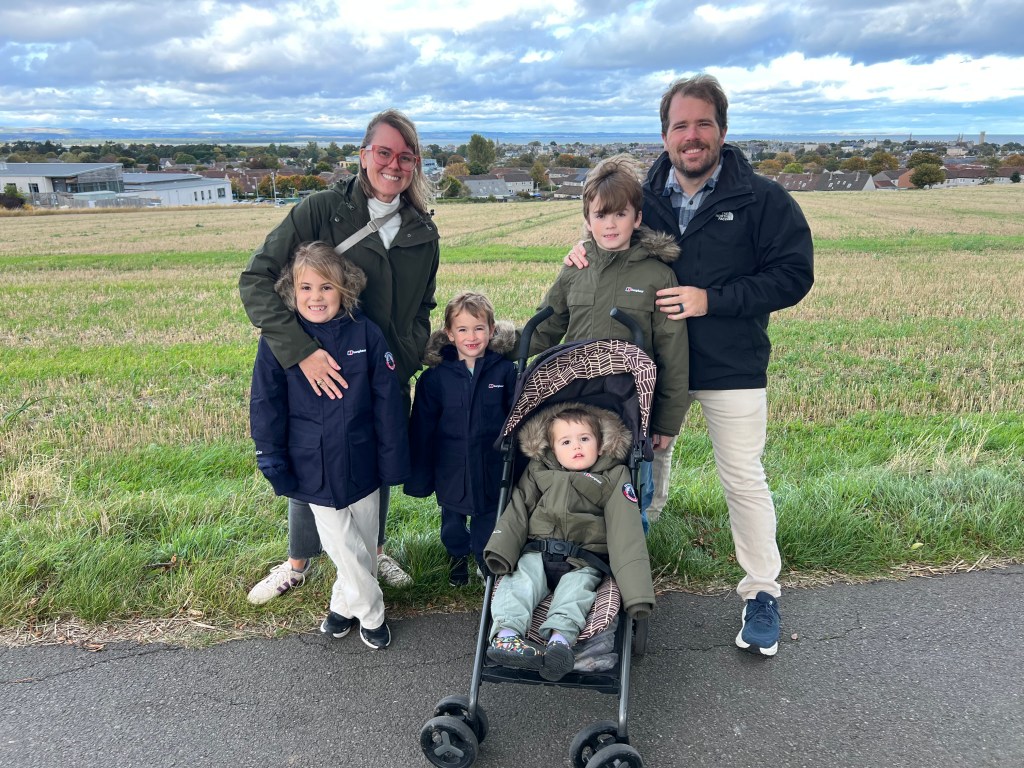
Normalcy, perhaps, started to set in this week. We have gone to school for a few weeks, figured out grocery deliveries and getting around on foot. We enjoyed a few outings and looked forward to events on the calendar. We maybe even felt like we were a part of a community with friends and people to call, who had UK phone numbers and not American.
Research
- Our second book history seminar welcomed Shanti Graheli, Senior Lecturer of Comparative Literature at the University of Glasgow. She presented on “Reading early modern botanical annotations as biodiversity data”
- “If we are willing to accept facts established by the physical world as ‘hard evidence’ (pun intended, as they are often solidified as evidence in rocks), then historical researchers should also incorporate facts established in historically verified documents.”
- A French Renaissance reader annotated a map of Latin America with the comment “a city as large as Paris.”
- We use what we know to make comparisons and estimates.
- Question: Is there a message we can take from past readers in approaching annotations as living practice? Why, when, and how should we take annotations as their own authoritative source?
- When you start researching a new project, you know that you’re starting to get on the right track when you can state who the key voices are in your area, what their position is, and how your project engages in dialogue with their work.
- It’s just a little intimidating when one of those important voices you keep coming across has an office adjacent to your own!
Reading
- When the Medium Was the Mission: The Atlantic Telegraph and the Religious Origins of Network Culture, Jenna Supp-Montgomerie (NYU Press, 2021)
- This is a rich source for my chapter on the telegraph. Supp-Montgomerie looks at the installation of the Trans-Atlantic telegraph cable, stretching from Ireland to Newfoundland, and the response of both secular leaders and religious groups alike. What is unique, at least from my perspective, is how much significance leaders placed upon being able to communicate with other peoples, not necessarily the content of the messages being sent and received.
- Heidi, Johanna Spyri
- I (Lindsey) found this in our local library and decided to make it a read aloud. It’s a classic, great text, for a reason. It has themes of loss, family, creation being beautiful and life giving, and friendship. It has made me and the kids laugh out loud, and it has made us cry. We have problem-solved and deduced that Frau Seseman probably wanted Heidi to learn to read so she could read the Bible. We have drawn comparisons to our current big move and Heidi’s, while seeing some big contrasts.
- I didn’t expect this book to make an impact on me and open conversations between me and the kids like it has. Heidi experiences intense homesickness that draws her to stop eating, sleep walk, and cling to Scripture. She is treated poorly in this and told to not cry. The kids also have experienced homesickness that I, frankly, just didn’t see coming. There are differences though. I, obviously, hold my daughter when she cries on my shoulder, and I pray for her out loud. I find food they feel comforted by. I put my son back in his bed when he is up in the night.
- As a parent, seeing your kids suffer based on a decision you made that kind of feels selfish, is gut wrenching and guilt inducing. I’m still not convinced that this decision to be in Scotland is a bad one, no matter how hard. If this is the hardship they encounter that might drive them to see the good, true and beautiful salvation and hope that Jesus has given us, then it will be worth it. I know it has shaped me greatly. I have spent many quiet days, while they are being educated out of the house now, reading my Bible. Will they be like Heidi and find joy in their suffering as they peruse the pages of their bibles, and beautiful literature? Will this time in their lives, and the hope that they might find in God be used to transform their relationships with other people and continue to encourage them when the time comes to move back to the US? That is my prayer for them in this season.
- We’re Entering the New Dark Ages | Interesting Times (NY Times Podcast)
- I (Lucas) hesitated to put this on the list of casual reading, as a podcast is quite different from long form reading. A quick listen to this episode will show that exact anxiety, particularly in our move from a literate to post-literate society. Additionally, as devoted readers of this series will notice, names like Postman, McLuhan, and Ong keep coming up as some of the most influential voices in media criticism over the past 50 years. I don’t know how much of their critique will make it into the actual thesis, but I share many of the same concerns they have. It is safe to assume that we are reading less. The downstream question is more crucial- what kind of people will that make of us?
Real Life
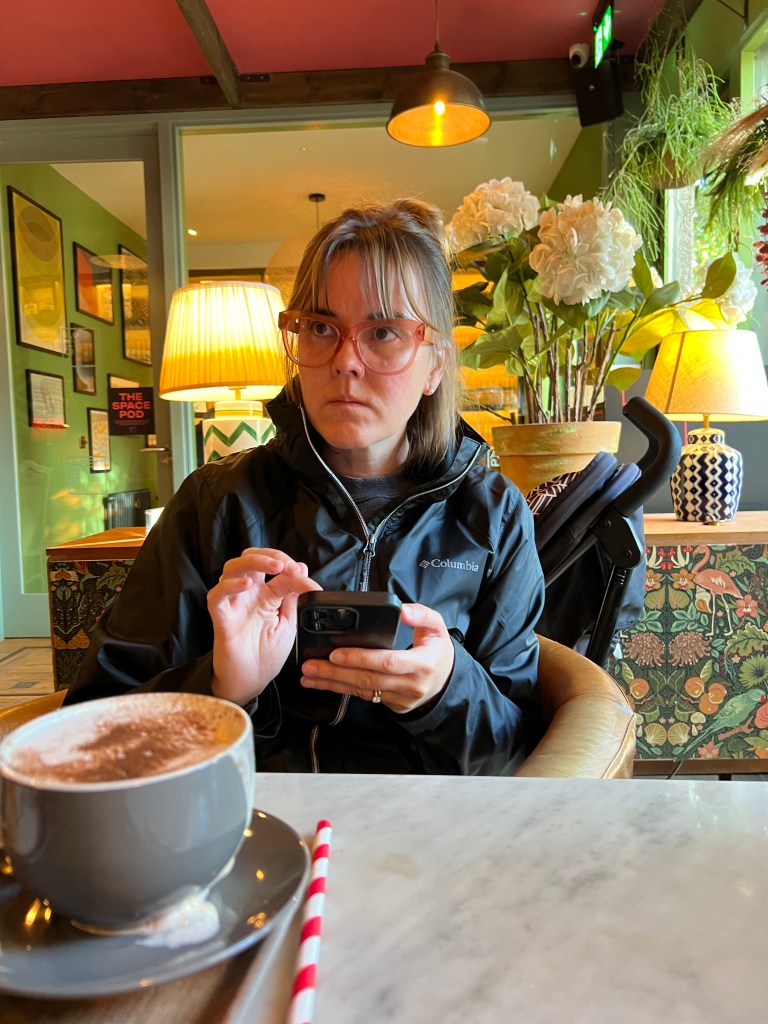
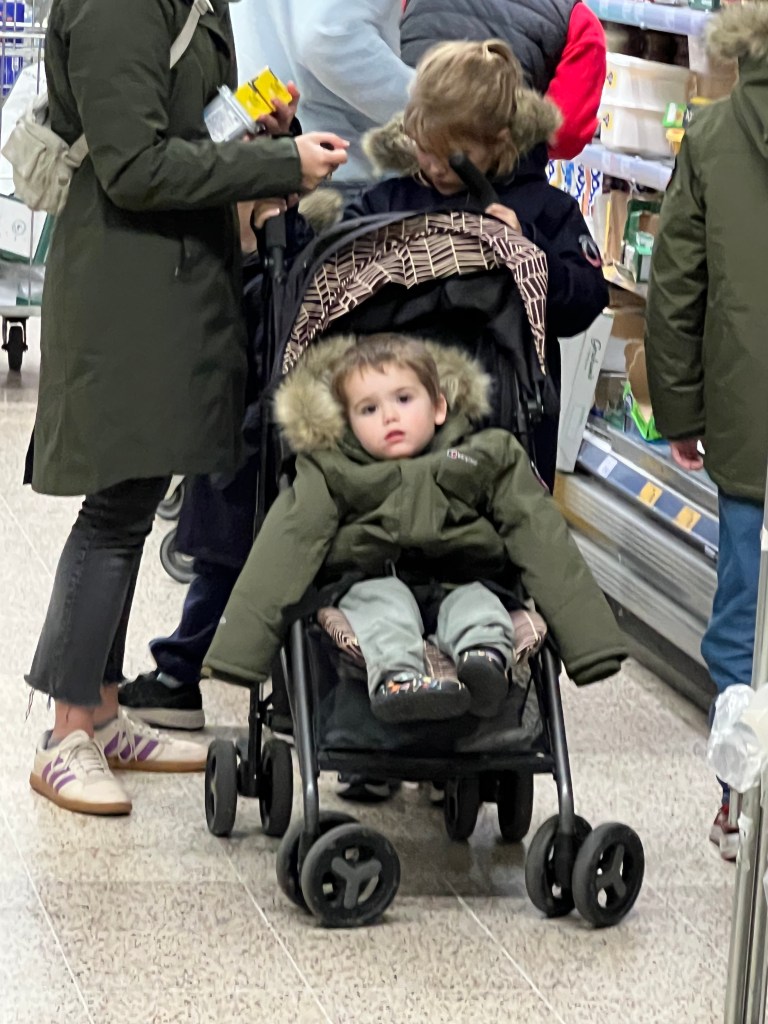
(LINDSEY) Five weeks of school under our belt. Five weeks of Bible Study. Five weeks of grocery delivery. I don’t know why, but the consistency feels good. There are still a few things unsettled. And perhaps, that’s part of what feels good. I am starting to see where hard things are that have to be dealt with, instead of not knowing what hard things are coming at me that I am unaware of. Things feel less new, including the struggle of parenting and marriage in a new country. We feel a bit plugged in, which is always good. We loved the show Cheers and the idea of being in a place where people know your name is very real. People are starting to know our name here. Included is a photo from my trip to Edinburgh for a Women’s Bible Conference, which means I got time to know another mama here. And that same evening we watched fireworks at the Old Course and went with friends, all who know our name.
Conclusion
Moving is never a linear process, but we’re hoping to be on the general upward trend over the next weeks and months. May the Lord continue showing his loving kindness, and may we continue to experience the patience, (or, as the King James Version so artfully declares, long-suffering) to which he has called us.


Leave a Reply